Worried that a home inspection in Moorestown will uncover a deal-breaking surprise? That is a common fear for both buyers and sellers, especially when you are trying to keep a transaction on track. The good news is that a home inspection is meant to give you a clearer picture of a home’s visible condition, not deliver a mysterious pass-or-fail grade. If you know what inspectors look for, what they do not cover, and how to respond to the report, you can move forward with a lot more confidence. Let’s dive in.
What a home inspection covers in New Jersey
In New Jersey, a standard home inspection is a limited visual review of a home’s readily accessible systems and components. That means the inspector is looking at what can be seen and reached during the appointment, rather than opening walls or performing destructive testing.
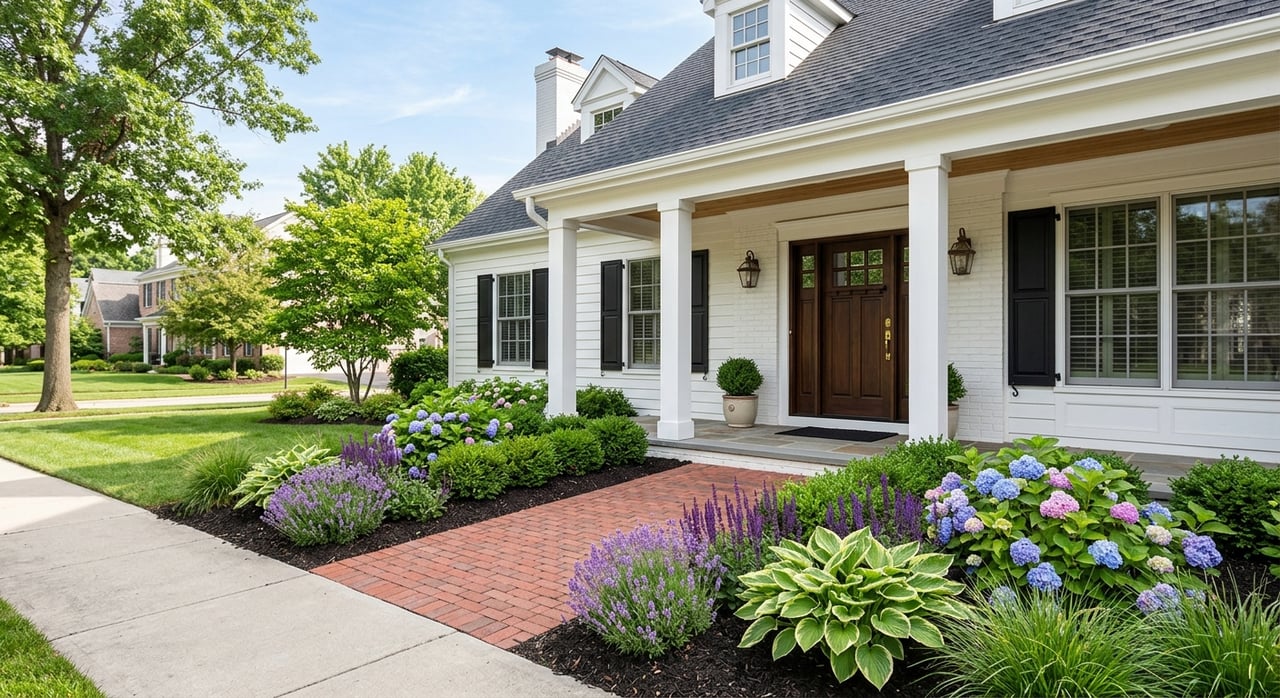
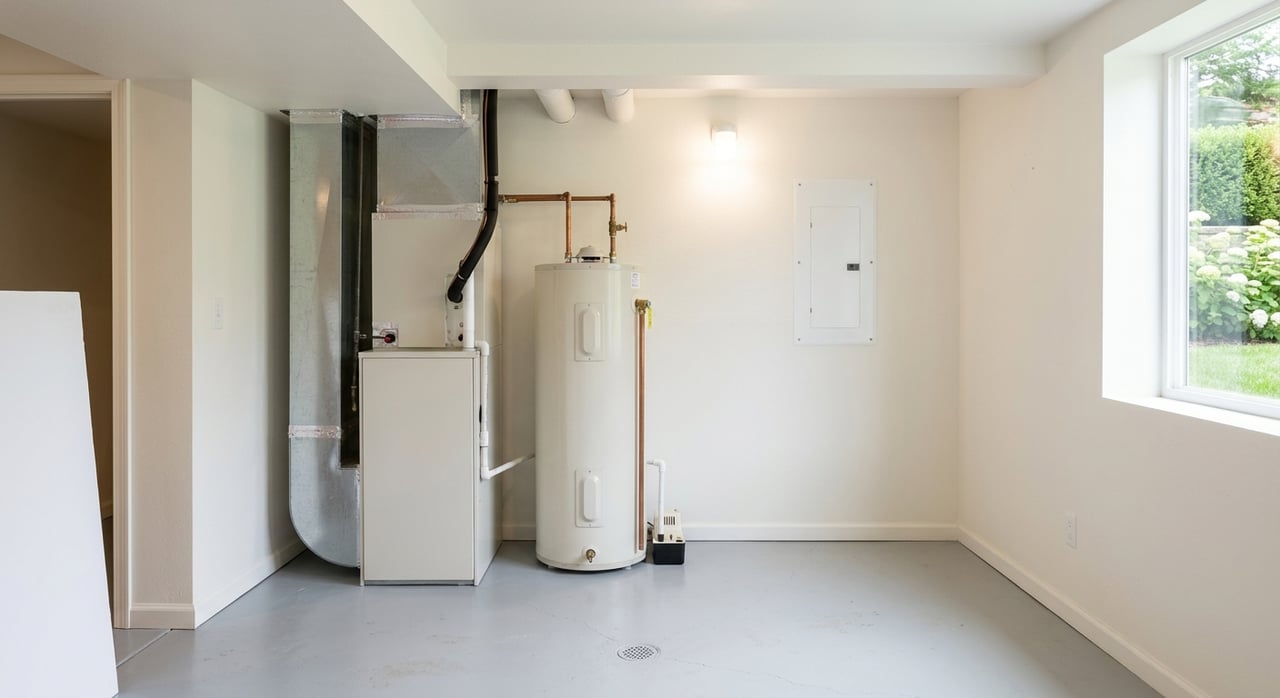
A typical inspection includes the home’s structure, exterior, roofing, plumbing, electrical, heating, cooling, insulation and ventilation, interior areas, fireplaces and fuel-burning appliances, and attached garages or garage door operators. In practical terms, that can include the foundation, framing, roof covering, flashing, grading, drainage, service panel, grounding, visible plumbing, water heater, HVAC equipment, ducting, attic ventilation, and chimney components.
What a Moorestown inspection does not cover
This is one of the biggest points of confusion for buyers and sellers. A standard inspection is not technically exhaustive, and it is not a warranty for the future condition of the home.
Inspectors are not required to determine remaining life expectancy, the cause of a defect, repair methods, repair costs, future failures, or whether something meets code. They also do not have to report concealed conditions, latent defects, cosmetic flaws, mold-like substances, or wood-destroying organisms as part of the standard inspection.
That matters because the report is best understood as a snapshot of the home’s visible condition on that day. It helps you identify concerns worth addressing or evaluating further, but it does not answer every question by itself.
What buyers should expect during the inspection
If you are buying a home in Moorestown, expect the inspection to focus on the property’s major visible systems and on items tied to safety, water intrusion, and basic function. These are often the findings that carry the most weight in repair discussions.
Common inspection findings that may lead to follow-up or repair requests include:
- Roof leaks or worn flashing
- Roof drainage issues
- Poor grading or drainage near the foundation
- Damaged decks or loose railings
- Electrical panel or grounding concerns
- Missing GFCI or AFCI protection
- Plumbing leaks or worn fixtures
- Water heater issues
- HVAC or venting defects
- Missing insulation or ventilation in unfinished spaces
- Fireplace or chimney concerns
Not every item on a report is a major problem. Many reports include a mix of more important issues and smaller deferred maintenance items, so it helps to stay focused on what affects safety, active leaks, and day-to-day function.
What sellers in Moorestown should expect
If you are selling, the inspection report may feel longer than expected even when your home has been well cared for. That is because inspectors often note a collection of smaller maintenance items that have built up over time.
It is common to see notes about caulking, loose railings, aging shutoff valves, exterior trim, drainage corrections, or mechanical systems that still work but show visible wear. Buyers may then seek specialist opinions or repair estimates, since inspectors do not assign costs or predict how long a component will last.
The key is not to panic. A long report does not automatically mean the sale is in trouble, and many findings are manageable once you sort them by priority.
Moorestown radon testing: often a separate step
Moorestown Township is listed by the New Jersey Department of Environmental Protection as Tier 2 for radon. Because radon is not part of a basic visual home inspection, buyers and sellers often discuss whether a separate radon test should be ordered during the inspection period.
In New Jersey, homeowners can test radon themselves or hire a New Jersey certified radon measurement company. The state also says that businesses and professionals performing radon testing and mitigation in New Jersey must be DEP-certified.
New Jersey guidance uses 4 pCi/L as the mitigation trigger, and guidance also recommends considering mitigation between 2 and 4 pCi/L. If radon comes up during your Moorestown transaction, it is usually handled as a separate specialty service rather than part of the main inspection report.
Termite and WDI inspections are usually separate
Another point that surprises many buyers is that termite or wood-destroying insect inspections are typically not part of the standard home inspection. In New Jersey, determining the presence of wood-destroying insects is treated as an additional inspection service.
So if a buyer wants a termite or WDI report, that is usually arranged separately. The same idea often applies to other specialty concerns such as mold-related issues, chimney evaluations, or further HVAC and plumbing review.
How to prepare for a smoother inspection
If you are a seller, one of the best things you can do is make the home easy to inspect. Since the inspection is limited to readily accessible areas, blocked access can delay answers and create avoidable frustration.
Before the appointment, try to make sure the inspector can access:
- Attic hatches
- Basement or crawlspace entries
- The electrical panel
- The water heater
- HVAC equipment
- Garage systems and garage door operators
This simple prep can make the process more efficient and help reduce the need for return visits if part of the property could not be reviewed.
How to read the inspection report without overreacting
Once the report arrives, it helps to sort findings into clear categories. This keeps the conversation practical and makes it easier to decide what really needs attention.
A simple way to review the report is to use these three buckets:
- Safety or active water issues
- Functional repairs
- Maintenance or cosmetic observations
Safety issues and active leaks often deserve the fastest response. Functional repairs are next, while maintenance items may be important but not always urgent in the context of negotiation.
When a specialist should step in
Sometimes a general home inspection points to an issue that needs a more focused opinion. In that case, the smartest next move is usually to bring in the right specialist instead of guessing.
Depending on the concern, that could mean a follow-up for:
- Radon testing
- WDI or termite inspection
- Chimney evaluation
- HVAC review
- Plumbing evaluation
- Engineering assessment
New Jersey rules also require the pre-inspection agreement to explain what is included, what is excluded, any added services, and whether a return visit may be needed if weather or other conditions limit the inspection. That is one reason it is helpful to read that agreement carefully before the appointment.
Why inspection guidance matters in Moorestown
Moorestown buyers and sellers often want the same thing: a clear path forward with fewer surprises. Understanding the limits of a standard inspection helps you avoid unrealistic expectations and make better decisions during negotiations.
If you are buying, you can use the report to focus on meaningful concerns and decide where specialty follow-up makes sense. If you are selling, you can prepare the home, reduce avoidable friction, and respond to findings in a calm, organized way.
A home inspection does not have to derail your move. With the right expectations and steady guidance, it can simply become one more step toward a smoother closing. If you are getting ready to buy or sell in Moorestown, Stephany Schlitz can help you navigate the inspection process with practical, local support every step of the way.
FAQs
What does a standard home inspection include in Moorestown, NJ?
- A standard home inspection in Moorestown includes a visual review of readily accessible parts of the home, such as the structure, roof, exterior, plumbing, electrical, heating, cooling, insulation, ventilation, interior areas, fireplaces, and attached garages.
What does a standard home inspection not cover in New Jersey?
- A standard New Jersey home inspection does not have to cover concealed defects, cosmetic issues, mold-like substances, wood-destroying organisms, code compliance, repair costs, or the remaining life of systems and components.
Is radon testing included with a Moorestown home inspection?
- No. Radon testing is generally a separate service from the basic visual home inspection, and in New Jersey it should be handled by a DEP-certified radon measurement company if you hire a professional.
Do buyers need a separate termite inspection in Moorestown?
- Often, yes. In New Jersey, checking for wood-destroying insects is treated as an additional inspection service rather than part of the standard home inspection.
How should sellers handle a home inspection report in Moorestown?
- Sellers should review the report by separating findings into safety or active-water issues, functional repairs, and maintenance or cosmetic items so they can respond clearly and keep the transaction moving.
What should sellers do before a home inspection in Moorestown?
- Sellers should make sure key areas are easy to access, including attic entries, basement or crawlspace access points, the electrical panel, water heater, HVAC equipment, and garage systems.