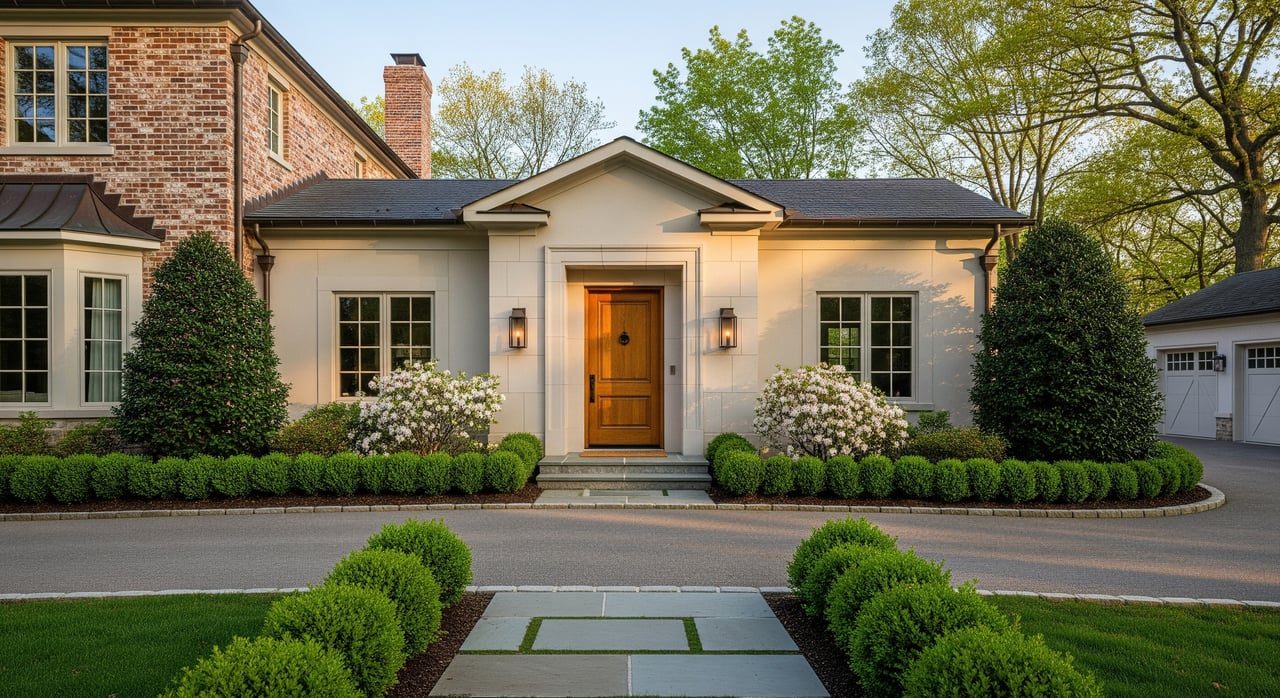
Thinking about renting out your Voorhees home but not sure if it is the right move? You are not alone. Many South Jersey homeowners weigh the idea when they relocate, upsize, or test the market. You want steady income and long-term equity, but you also want clear numbers and simple next steps. In this guide, you will learn how to gauge demand, run cash flow math, understand New Jersey rules, and build a realistic plan for your property. Let’s dive in.
Is renting your Voorhees home a smart move?
Voorhees Township sits in a suburban corridor with access to I‑295, NJ‑73, and Route 70. Proximity to Camden and Philadelphia job centers, local schools, and retail make it a practical location for renters who value convenience. Those location factors shape demand for single-family homes and townhomes and influence your expected rent, tenant profile, and vacancy risk.
If you plan to hold the property for several years and can generate positive cash flow with a cushion for maintenance and vacancy, renting can support long-term wealth. If the numbers are tight or you would rather unlock equity now, selling could be the better choice. The right answer starts with your numbers.
Start with demand and location fit
Ask two simple questions:
- Who is likely to rent this home based on size, layout, and location?
- What rent range is realistic for similar 2 to 4 bedroom homes nearby?
Look at commuting access, local conveniences, and parking. Keep your analysis neutral and fact based. If your home offers practical value for commuters and households that want suburban amenities, you may have steady demand.
Run the numbers: cash flow math
Start with these core metrics. Write them down and use conservative estimates.
- Gross monthly rent (R)
- Gross Rental Yield = (Annual Rent / Market Value) × 100
- Net Operating Income (NOI) = Annual Rent − Operating Expenses
- Capitalization Rate (Cap Rate) = NOI / Market Value
- Cash‑on‑Cash Return = Annual Cash Flow after debt service / Cash Invested
- Break‑even Ratio = (Operating Expenses + Debt Service) / Potential Gross Income
Typical expense categories
Include these line items in your pro forma:
- Mortgage principal and interest, or opportunity cost if the home is paid off
- Property taxes, confirm through the county tax bill
- Insurance, a landlord policy is usually higher than a homeowner policy
- Property management fee, often 8 to 12 percent of monthly rent
- Maintenance and repairs, 5 to 10 percent of rent, plus capital reserves for roof and HVAC
- Vacancy allowance, often 5 to 10 percent of rent
- Utilities you pay, clarify who pays what in the lease
- HOA fees if applicable
- Leasing costs, legal fees, advertising, fair housing compliance costs
Quick example to stress test
This is an illustration. Use your local numbers.
- Market rent: $2,500 per month, annual rent $30,000
- Expenses: taxes $6,000; insurance $1,500; management 10 percent $3,000; vacancy 7.5 percent $2,250; maintenance 5 percent $1,500
- Total operating expenses: about $14,250, NOI about $15,750
- Cap Rate = NOI divided by market value
- Subtract annual mortgage payments to find cash flow and cash‑on‑cash return
Now stress test. Reduce rent by 10 to 20 percent and raise vacancy and maintenance. If cash flow stays positive with reserves funded, your plan is stronger.
Know New Jersey rules and disclosures
New Jersey has clear landlord and tenant standards. Before you list the home for rent, review state guidance on security deposits, notice requirements, habitability, and inspections. The New Jersey Department of Community Affairs offers detailed resources and the Truth in Renting guide. You can explore state guidance on the New Jersey Department of Community Affairs housing page.
If your home was built before 1978, federal lead‑based paint disclosure applies. Provide the proper pamphlet and written disclosure to tenants. You can review requirements on the HUD lead disclosure page.
Follow fair housing laws at the federal and state levels. Use neutral, factual language in your marketing and screening, and apply your criteria consistently.
Confirm Voorhees Township requirements
Many New Jersey towns require rental registration, periodic inspections, or a certificate of occupancy for rentals. Rules can change, so contact the township and verify current requirements before you advertise the home. Start with the Voorhees Township official website for departments, forms, and contacts.
Also check your current property tax details so you budget correctly. The Camden County Board of Taxation provides county tax resources and links to local information.
Financing and loan considerations
If you convert a primary residence to a rental, your current loan terms usually remain. If you refinance later, lenders will treat it as an investment property, which often means a higher rate and lower loan‑to‑value.
If you have FHA, VA, or other owner‑occupant program loans, review occupancy requirements before you change use. Speak with your lender about timing and documentation.
Taxes on rental income
Rental income is taxable, but many expenses are deductible. Common deductions include mortgage interest, property taxes, insurance, utilities you pay, management fees, repairs, advertising, and depreciation. The IRS explains these in IRS Publication 527 (Residential Rental Property).
If you sell later, tax treatment differs for a rental compared to a primary residence. The primary residence exclusion requires you to meet ownership and use tests. A 1031 exchange may be an option when selling one investment property to buy another. Discuss your plan with a CPA.
Decide how to manage the rental
You can self‑manage or hire a professional property manager.
- Self‑management can save the monthly fee when you have time, local vendor contacts, and comfort with leasing, maintenance, and rent collection.
- Professional managers often charge 8 to 12 percent of monthly rent plus a leasing fee. They handle showings, screening, maintenance coordination, rent collection, and legal notices.
If you are new to landlording or live far away, a manager can reduce risk and free your time.
Plan for risks and long‑term strategy
Every rental has risk. Build a plan that covers the big ones.
- Vacancy and rent fluctuations. Use conservative rent and set aside a vacancy reserve.
- Tenant nonpayment or damage. Screen consistently, follow legal procedures, and carry landlord insurance. Consider an umbrella policy for extra liability protection.
- Legal and regulatory changes. Revisit township and state rules each year.
- Capital expenses. Older homes may require larger reserves for systems and roofs.
- Financing risk. Converting to a rental can affect future refinancing.
Reassess the market each year. If conditions change, decide whether to hold, sell, or exchange based on your minimum acceptable cash flow and long‑term goals.
A simple step‑by‑step checklist
Follow this quick path before you make the call.
Market and numbers
- Pull 3 to 5 recent rental comps and 3 to 5 sales comps for value and rent.
- Estimate gross rent, vacancy, and itemized expenses.
- Calculate NOI, cap rate, cash‑on‑cash return, and break‑even ratio.
Legal and municipal
- Confirm rental registration, inspection, and certificate needs with Voorhees Township. Start at the Voorhees Township website.
- Review New Jersey landlord‑tenant rules on deposits, notices, and procedures with the NJ DCA housing resources.
- If built before 1978, prepare the federal lead disclosure and pamphlet using HUD guidance.
Financing and tax
- Talk to your lender about converting occupancy or future refinancing.
- Consult a CPA about depreciation, passive loss rules, and capital gains planning. IRS details are in Publication 527.
Operations
- Decide on self‑management or hire a property manager. Gather 2 to 3 proposals if you plan to hire.
- Prepare your lease, screening criteria, and move‑in checklist. Keep screening consistent and fair.
- Obtain a landlord insurance policy and consider an umbrella policy.
Reserves and records
- Hold at least 3 to 6 months of total housing costs in reserves.
- Keep organized records of rent, expenses, maintenance, and inspections. Good records support tax filings and smooth renewals.
When selling might be better than renting
Selling can make more sense if:
- Your projected cash flow is negative even with conservative assumptions.
- You want to use your primary residence capital gains exclusion soon.
- You need equity for your next purchase or to reduce debt.
- You prefer a simpler exit over long‑term management.
If you are on the fence, price out both options side by side. Include depreciation and taxes on the rental scenario. Include selling costs and your next housing plan on the sale scenario.
Data sources worth bookmarking
- Voorhees Township contacts and forms: voorheesnj.com
- Camden County tax resources: Camden County Board of Taxation
- NJ landlord‑tenant rules and Truth in Renting: NJ DCA housing page
- Lead‑based paint disclosure rules: HUD lead disclosure
- Federal tax rules for rentals: IRS Publication 527
- Housing trends and vacancy research: U.S. Census American Community Survey
Your next step
If you want help building a rental pro forma, comparing rent vs sell, or confirming township steps, you do not have to figure it out alone. Get local, one‑on‑one guidance, a realistic rent range, and a plan that fits your goals. Reach out to Stephany Schlitz for a quick consult and a complimentary home valuation.
FAQs
What should I check before renting a home in Voorhees?
- Verify township registration and inspection needs, review NJ landlord‑tenant rules, estimate rent and expenses, and confirm insurance coverage for a rental.
How do I estimate a realistic rent number?
- Compare several recent local listings for similar size and condition, then stress test your number by reducing it 10 to 20 percent to see if cash flow still works.
What expenses do first‑time landlords often miss?
- Vacancy allowance, capital reserves for big systems, leasing and legal costs, higher landlord insurance, and seasonal utility spikes if you cover any utilities.
Do I need lead‑based paint disclosures in New Jersey?
- Yes if the property was built before 1978, provide the federal pamphlet and written disclosure to tenants and keep copies with your lease file.
How are taxes handled on rental income?
- Rental income is taxable, but you can deduct many expenses and claim depreciation; work with a CPA and use IRS Publication 527 as your reference.