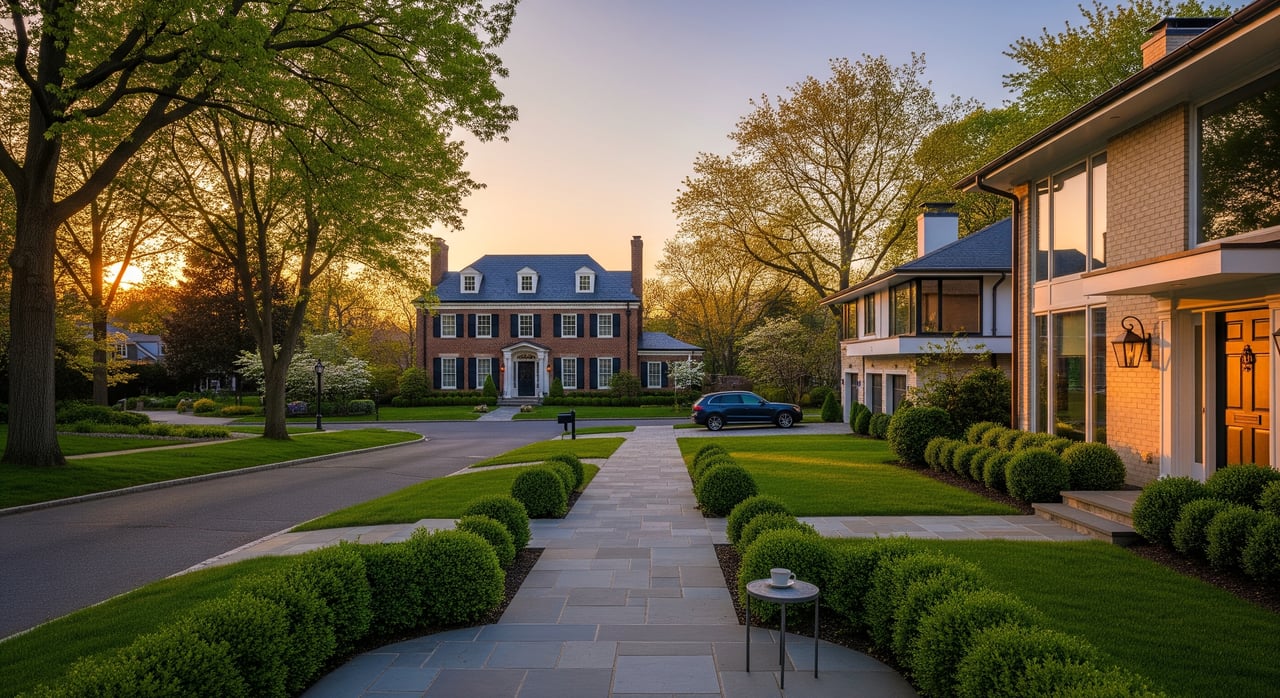
Trying to picture what daily life actually feels like in Cherry Hill? You’re not alone. When you’re choosing a home, the style of the neighborhood and the rhythms of each day matter as much as square footage. In this guide, you’ll learn how Cherry Hill’s housing eras shape street life, where different lifestyles tend to cluster, and what to check before you make a move. Let’s dive in.
Cherry Hill at a glance
Cherry Hill Township sits in Camden County on the east side of the Delaware River, close to Philadelphia and surrounded by South Jersey communities like Haddonfield, Voorhees, and Pennsauken. The township blends commercial corridors, historic pockets, and established residential neighborhoods with parks and community facilities. It feels like a mature suburb with distinct areas that each move at their own pace.
Daily life is shaped by access. Route 70 and Route 38 run through or near the township and carry a lot of commuters. The PATCO Speedline, including the Woodcrest station, and NJ Transit bus routes connect residents to Center City and regional job hubs. That means traffic pulses near shopping districts and on the main roads during peak hours, while interior streets often stay calmer.
Local public services and schools also anchor routines. Cherry Hill Public Schools include multiple elementary schools and two comprehensive high schools commonly known as Cherry Hill East and Cherry Hill West. School boundaries influence many buyers’ neighborhood choices, and township parks and recreation programs are popular for weekend plans.
Housing styles by era
Cherry Hill’s neighborhoods tell a story through their homes. As you explore, you’ll notice clear differences in design, lot sizes, and street patterns. Here’s a practical tour by era.
Historic pockets and early 20th century
In small clusters, you’ll find preserved farmhouses and early 20th-century detached homes, including Colonial and Victorian-era structures. The Barclay Farm area stands out with a preserved farmstead and a village-like feel. Streets tend to be quieter with mature trees and a strong sense of place. Buyers here often value character and easy access to parks and community events at historic sites.
Postwar neighborhoods from the 1950s–1970s
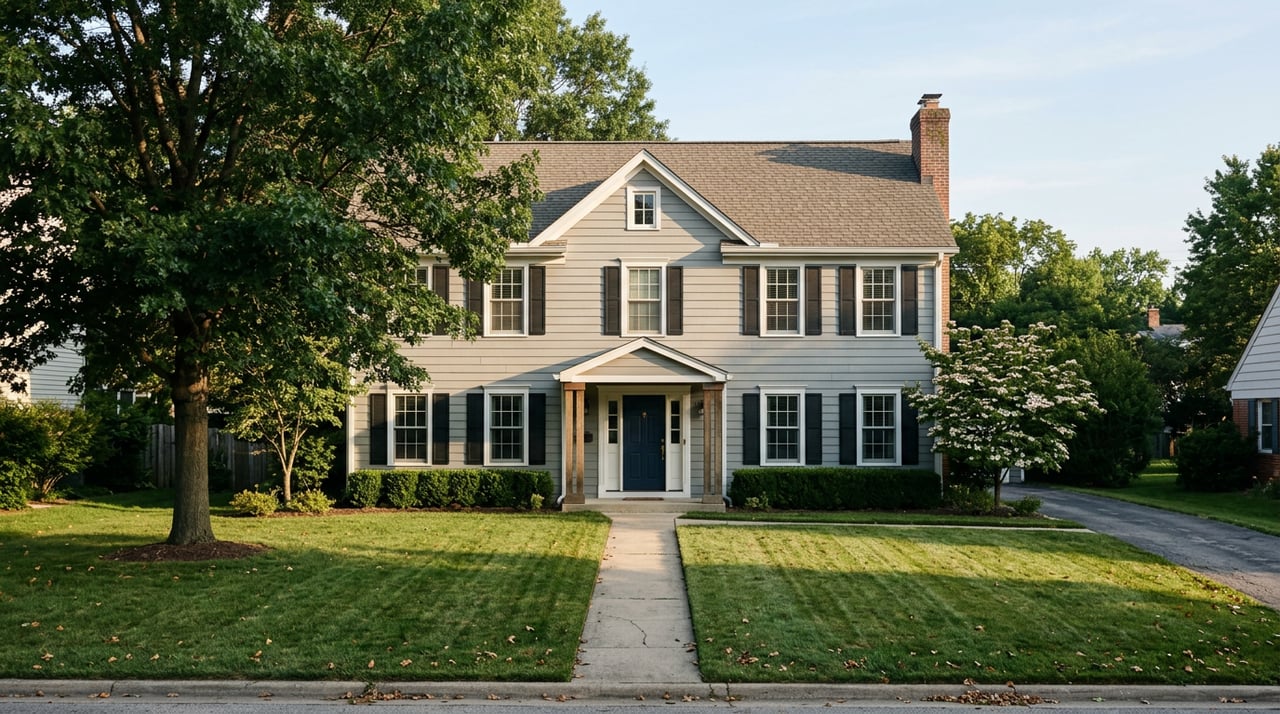
These areas feature ranches, split-levels, modest Colonials, and Cape Cods. Many of the original 1 to 3 bedroom layouts have been renovated or expanded over time. Daily life often revolves around tree-lined streets, sidewalks in many sections, and yards sized for weekend projects or play. You’ll see a mix of lovingly updated homes next to time-capsule properties ready for a new chapter.
1970s–1990s classic suburban subdivisions
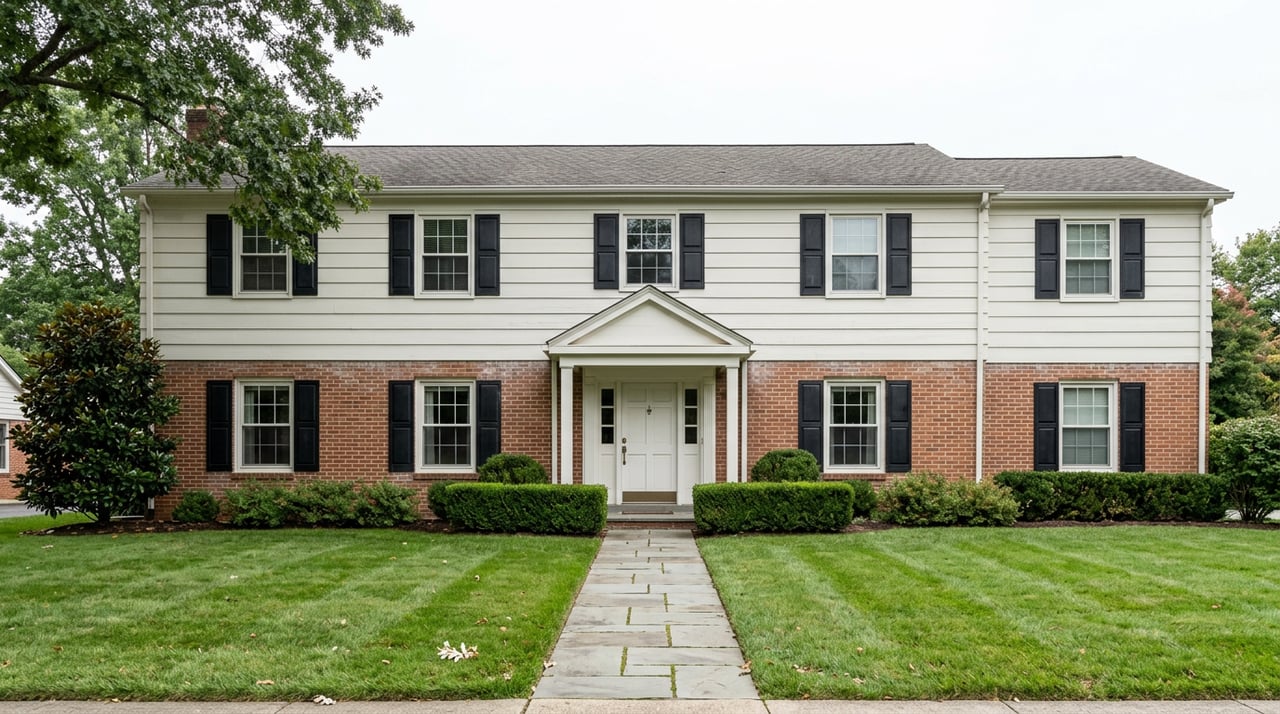
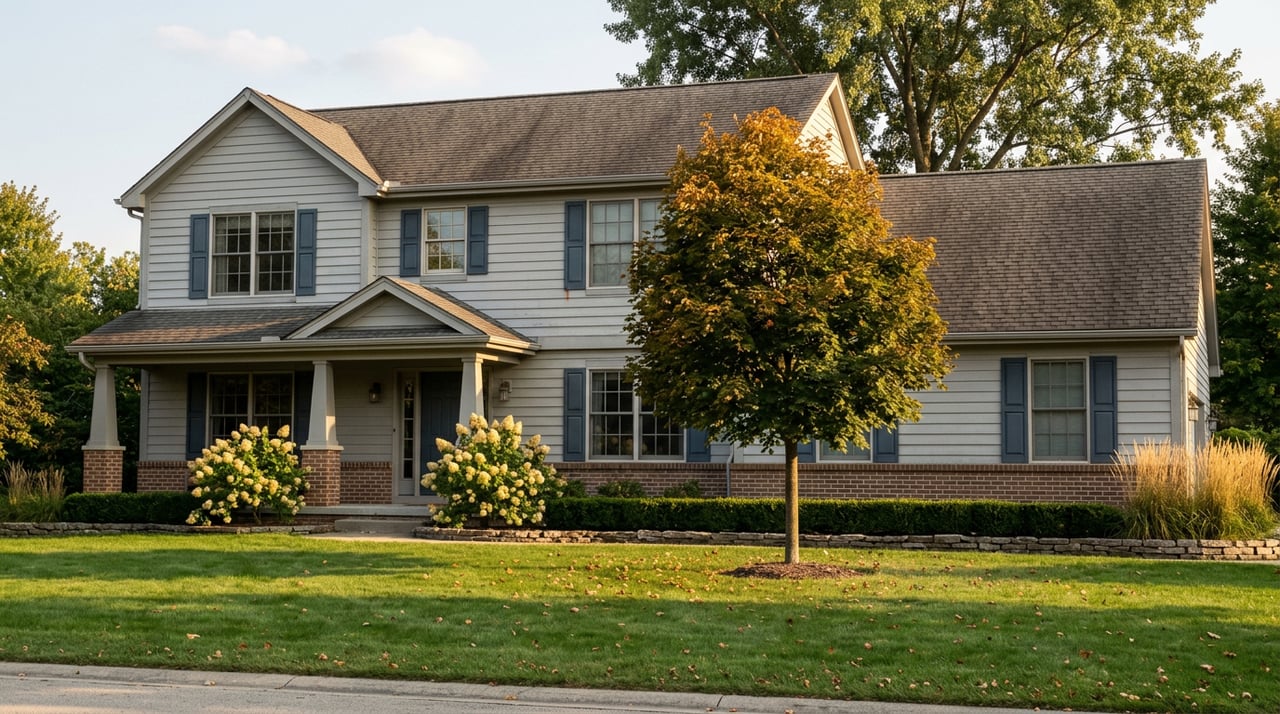
As the township expanded, larger two-story Colonials, raised ranches, and homes with brick facades became common, often on cul-de-sacs. Attached garages and finished basements add flexible space. These areas tend to be car-oriented, with families driving to schools, activities, and shopping. Some communities have HOA-managed common areas or playgrounds.
2000s to present infill and newer construction
Newer development is more scattered, with custom homes on infill lots, townhome communities, condominium buildings, and some gated or age-restricted options. Expect modern layouts and upgraded systems. Many of these homes and communities come with HOA rules and fees, which can simplify maintenance while adding guidelines for exterior changes.
Multi-family, condos, and apartments
Garden-style apartments, mid-rise condos, and clusters of townhomes are common near commercial corridors and transit nodes. These areas support a lower-maintenance lifestyle, often with walkable access to everyday retail. Keep in mind the trade-offs related to parking, rush-hour traffic, and community rules.
Quick checklist: what to inspect by era
- Historic and early 20th-century homes: roof age, electrical capacity, foundation and drainage, and any historic-district guidelines.
- 1950s–1970s ranches and split-levels: electrical upgrades, HVAC system age, insulation, and basement or crawl-space moisture.
- 1970s–1990s subdivisions: roofing and siding life, original vs. updated windows, and any HOA rules for exterior changes.
- 2000s–present construction: HOA fees and coverage, reserve policies, and clarity on maintenance responsibilities.
- Condos and townhomes: association health, parking allocations, pet policies, and any upcoming assessments.
Where daily life differs by area
Cherry Hill isn’t one-size-fits-all. These broad clusters help you compare the feel of different sections without getting lost in micro-neighborhood names.
Central and mall area
Close to the Cherry Hill Mall and surrounding shopping corridors, you’ll find a mix of apartments, condos, townhomes, and older single-family homes on nearby streets. The biggest draw is convenience. You can reach dining, services, and big-box stores quickly. The trade-off is heavier traffic, especially in the evenings and on weekends, and a busier overall rhythm.
North and north-central subdivisions
These neighborhoods feature larger single-family homes from the 1970s through the 1990s, along with newer renovations. Expect cul-de-sacs, garages, and plenty of yard space. Households here often commute by car to PATCO or head out on Route 70, Route 38, or I-295. Walkability is lower, but the community feel and access to local playgrounds are strong.
West and southwest historic and established pockets
In the west and southwest, you’ll see older homes, historic farmsteads, and mid-century streetscapes. The Barclay Farm area is notable for its preserved farmstead and neighborhood identity. These are more residential zones with small-scale retail and seasonal community events. If you value mature trees and a quieter feel, this cluster is worth exploring.
Eastern and southern edges
Along the edges near towns like Haddonfield and Voorhees, housing is a mix of older homes, apartments, and newer infill. The appeal here is flexibility. You can often shorten drives to different amenities or reach a variety of school, park, or medical options in surrounding communities. The built environment varies block to block, so it pays to tour a few streets.
Transit-adjacent neighborhoods
Closer to the Woodcrest PATCO station and along bus routes, you’ll see higher-density condos and townhomes. These locations can reduce your drive to transit and streamline a Philadelphia commute. Rush-hour parking and traffic patterns are important to test at the times you plan to travel.
Everyday routines that shape lifestyle
Shopping and dining
Cherry Hill’s retail core centers on the mall area and the Route 70 corridor. You’ll find grocery stores, big-box shops, and a wide range of chain and local restaurants. Smaller commercial strips serve nearby neighborhoods with coffee, takeout, and services.
Parks, recreation, and green space
Township parks, preserved historic sites, and county facilities offer walking paths, playgrounds, sports fields, and occasional waterfront access. Families often use these spaces for weekend activities, youth sports, and community events.
Schools and extracurriculars
School patterns shape morning and afternoon traffic and after-school schedules. Because Cherry Hill Public Schools operate multiple elementary schools and two comprehensive high schools, address-based assignments matter. It’s smart to confirm school boundaries and program options directly with the district as part of your home search.
Healthcare and services
Regional hospitals and clinics in Camden County and across South Jersey are within reach. Proximity to these services can be especially useful for downsizers and families with young children.
Nightlife and entertainment
You’ll find most local nightlife near the mall and along the main corridors. For broader arts, dining, and entertainment, many residents head into Philadelphia. The combination of nearby nightlife and accessible city options is a common draw.
Buyer personas to help you picture your fit
Use these snapshots to match your daily routine with neighborhood styles.
The transit-commuter in a townhouse
- Housing: condo or townhome near a transit node, possibly with lower maintenance and HOA coverage.
- Daily life: a quick drive or walk to transit, easy access to coffee and takeout along major routes.
- Pros: simpler upkeep, streamlined commute, close to services.
- Consider: HOA rules, parking details, peak-hour traffic, and potential noise near commercial corridors.
The growing family in an 1980s subdivision
- Housing: larger two-story Colonial or raised ranch on a cul-de-sac with a garage and basement.
- Daily life: drive to schools and activities, spend weekends in parks, enjoy yard space and neighborhood playgrounds.
- Pros: flexible floor plans, community feel, room to host.
- Consider: car-dependency, system updates over time, and any HOA guidelines.
The buyer seeking historic character
- Housing: early 20th-century homes or unique mid-century styles in established pockets like the Barclay Farm area.
- Daily life: quieter streets, mature trees, seasonal events at historic sites, local green space.
- Pros: distinctive architecture and neighborhood identity.
- Consider: older systems, potential preservation rules, and renovation scope.
The downsizer prioritizing low maintenance
- Housing: condo, townhome, or age-restricted community near shopping and medical services.
- Daily life: lock-and-leave convenience, short trips for errands, more time for travel or hobbies.
- Pros: reduced upkeep, organized amenities, newer interiors in many cases.
- Consider: HOA fees and coverage, pet and guest policies, and elevator or accessibility features.
Practical checks before you write an offer
- Commute and transit trade-offs: Test your route at rush hour and explore PATCO or NJ Transit options if you prefer transit. Confirm station parking details in advance.
- Schools and boundaries: Verify school assignments with the district for any address you consider. Review state reports for program and performance context.
- Property taxes and municipal costs: New Jersey property taxes are comparatively high. Confirm current assessments, estimated taxes, and municipal fees for each property.
- HOA, covenants, and permits: Ask for HOA documents, rules, and budgets. In historic pockets, check for any guidelines that affect exterior changes.
- Resale and renovation realities: For older homes, review roof, HVAC, electrical, plumbing, and any basement moisture conditions. For newer homes, clarify builder updates, warranty history, and association reserves.
How to choose your Cherry Hill match
- Map your daily routine: List your typical week, then prioritize commute, school proximity, parks, and shopping.
- Visit at the right times: Tour neighborhoods during morning and evening peaks, plus a weekend afternoon near the mall area.
- Confirm school details: If schools are important, verify assignment boundaries for each home on your shortlist.
- Add total cost of ownership: Factor taxes, utilities, potential upgrades, and HOA fees.
- Think resale timeline: Choose a layout and location with broad appeal if you plan to move within a few years.
Ready for local guidance?
If you want to explore streets, compare neighborhoods, or get a clear picture of costs and trade-offs, you don’t have to go it alone. As a South Jersey–based, community-rooted REALTOR®, I help buyers and sellers navigate Cherry Hill with step-by-step support, from home tours and valuations to vendor referrals, rentals, and transaction coordination. When you’re ready, connect with Stephany Schlitz for local insight and a plan tailored to your move.
FAQs
What commuting options serve Cherry Hill residents heading to Philadelphia?
- Many residents use Route 70 and Route 38 for driving and the PATCO Speedline, including the Woodcrest station, or NJ Transit buses for transit access. Test your route during peak hours to compare.
Which Cherry Hill areas offer more walkable access to shops and dining?
- The mall area and nearby commercial corridors provide the best access to retail and restaurants, while most subdivisions are car-oriented with lower walkability.
How do Cherry Hill school boundaries affect my home search?
- School assignments depend on your address, and the district includes multiple elementary schools and two comprehensive high schools. Verify boundaries and program details directly with the district.
Are there low-maintenance options for downsizers in Cherry Hill?
- Yes. You’ll find condos, townhomes, and some age-restricted communities, often near shopping and medical services. Review HOA fees, rules, and accessibility features.
What should first-time buyers look for in older split-level or ranch homes?
- Check electrical capacity, HVAC age, insulation, roof condition, and any basement moisture. Budget for updates to align older layouts with your lifestyle.